


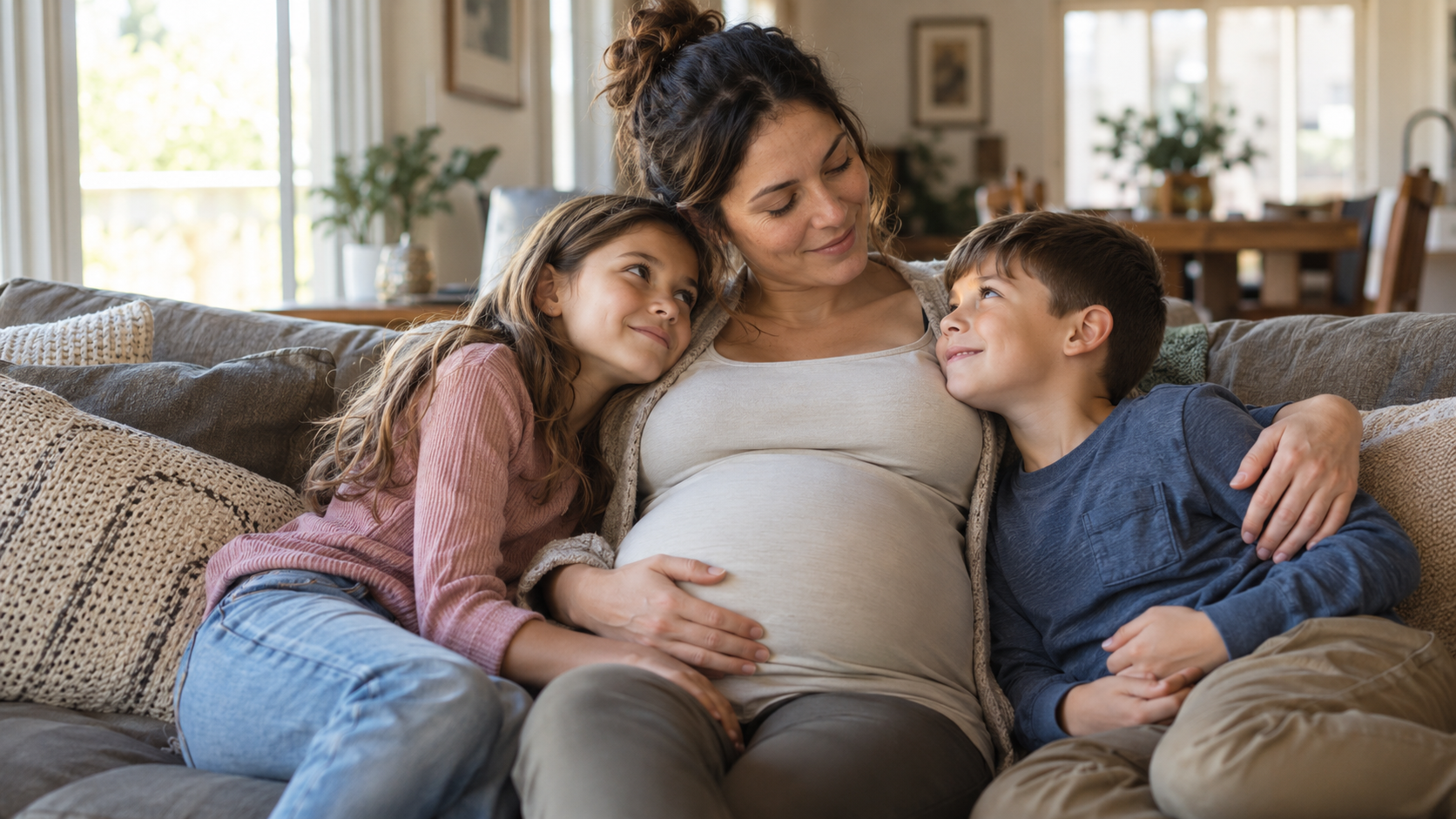
Yes. If you are pregnant and already raising one or more children, you can still consider adoption for your unborn baby.
Many women who explore adoption are already mothers. They understand the love, responsibility, and daily realities of parenting because they are living them. In some cases, those experiences are part of what leads a mother to consider whether adoption might be the best option for her baby and the children she is already raising.
Considering adoption does not mean you love this baby less than your other children. It also does not make you a bad mother. It means you are carefully thinking about your circumstances, your family, and what you believe will be best for everyone involved.
At Unexpected Blessings Adoption, you can discuss your situation with someone who will listen without judging or pressuring you.
Why Do Mothers Who Are Already Parenting Consider Adoption?
Every mother’s circumstances are different. There is no single reason someone may consider adoption while parenting other children.
You may be facing financial difficulties, unstable housing, an unhealthy relationship, limited childcare, or a lack of support from the baby’s father. You may be concerned about how another child would affect your ability to care for the children who currently depend on you.
Some mothers are working toward educational or career goals. Others may be managing health challenges, recovering from addiction, leaving an abusive relationship, or trying to create greater stability for their families.
You might simply feel that you are not prepared to parent another child at this point in your life.
These concerns do not mean that you do not love your baby. Love and difficult circumstances can exist at the same time.
Does Considering Adoption Mean I Am Choosing My Other Children Over This Baby?
It is understandable to worry that considering adoption means you are choosing one child over another. However, the decision is usually much more complicated than that.
You may be thinking about the needs of every child involved. You may be asking yourself:
- Can I provide the time and attention another baby will need?
- Will I be able to continue meeting my other children’s needs?
- Do I have dependable housing and income?
- Who could help me with childcare?
- Is my current relationship or home environment safe?
- Am I emotionally and physically prepared to begin raising another baby?
- What kind of future do I want for this child?
- What kind of future do I want for the children I am already raising?
There are no universally correct answers to these questions. What matters is having honest information and enough support to make the decision that feels right for you and your family.
If you are still exploring your choices, you can learn more about making an adoption decision.
Can My Children Have a Relationship With Their Sibling?
If you choose an open or semi-open adoption, it may be possible for your children to maintain some type of connection with their sibling. The exact relationship will depend on the adoption plan you create and the agreement reached with the adoptive family.
Possible forms of contact may include:
- Sharing photographs and updates
- Exchanging letters, cards, or drawings
- Video calls
- Telephone calls
- Visits at mutually agreed-upon times
- Celebrating birthdays or special occasions together
- Sharing information about family history and traditions
When reviewing hopeful adoptive families, you can ask how they feel about sibling relationships. You can also talk about the amount and type of contact you hope your children will have with the baby.
These conversations should take place before you select an adoptive family so that everyone has a clear understanding of your wishes. You can learn more about how open adoption may give you a voice in the process by reading Your Voice, Your Plan: How Open Adoption Puts You in Control.
How Do I Explain Adoption to My Children?
How you discuss adoption will depend on your children’s ages, personalities, and ability to understand what is happening.
Young children may need a simple explanation. You might tell them that you are making a plan for the baby to be raised by another family while reassuring them that they are safe, loved, and staying with you.
Older children may have more detailed questions. They might wonder why you can parent them but not the new baby. They may feel sad, confused, angry, protective, or worried that they could also be placed for adoption.
It is important to reassure your children that the decision is not their fault and does not change your commitment to them. You can explain that families sometimes face different circumstances at different times. A decision made during one pregnancy does not mean the same decision would be made during another.
Try to give honest, age-appropriate answers without sharing adult details that could frighten or overwhelm them. It is also okay to say that you do not have every answer yet.
What If My Children Become Attached to the Baby?
Your children may begin to feel connected to the baby during your pregnancy. They may talk to your belly, help choose a nickname, draw pictures, or imagine what life will be like after the baby is born.
That attachment is real and deserves to be treated gently.
If you make an adoption plan, your children may experience grief too. They may benefit from being included in appropriate ways, such as creating a drawing or keepsake for the baby, writing a letter, choosing a small gift, or looking at photographs together.
Depending on their ages and the circumstances, counseling may also help them understand and process their feelings. Unexpected Blessings can discuss available support services for birth families and help you consider what support may be appropriate for your children.
Can My Children Help Me Choose the Adoptive Family?
The final decision belongs to you, but you may decide to include your children in certain parts of the process.
For example, you might show an older child a family profile or ask what questions they would like you to ask a hopeful adoptive family. Your children may want to know whether the family has pets, other children, nearby relatives, or traditions they could someday share with their sibling.
However, children should not feel responsible for making the adoption decision. That responsibility can be too heavy for them. You can listen to their feelings and include them in age-appropriate ways while making it clear that the adults involved will handle the final decisions.
When you feel ready, you can look through Unexpected Blessings’ hopeful adoptive families.
What If My Family Judges My Decision?
Relatives and friends may have strong opinions about adoption, especially if they know you are already parenting. Someone may tell you that because you are raising your other children, you should be able to raise another. Others may offer promises of help without fully understanding the long-term commitment involved.
You are the person living with the realities of your situation. You understand your health, finances, relationships, responsibilities, and available support better than anyone else.
It can be helpful to listen carefully when someone offers genuine, dependable assistance. At the same time, you do not have to base a lifelong decision on temporary promises or pressure from other people.
Consider whether the support being offered is specific and sustainable. Someone saying, “We will help you,” is different from making a realistic plan for housing, childcare, transportation, medical care, and everyday expenses.
You deserve the opportunity to explore all your options without being shamed for considering adoption or pressured into choosing it.
What If I Am Unsure About Adoption?
You do not have to be certain before contacting an adoption agency. In fact, many women begin the conversation with questions, doubts, and mixed emotions.
You can ask about parenting resources, financial assistance, counseling, the legal process, choosing a family, hospital planning, and contact after placement. Learning about adoption does not require you to move forward with it.
You can also change your preferences as you gather information. You might initially want very limited contact and later decide that you would like a more open relationship. You may select a family and then realize that the match does not feel right. You are allowed to express your concerns and ask for more time.
The purpose of exploring adoption should be to help you make an informed decision, not to take the decision away from you.
What Support Is Available After Placement?
Adoption does not end when you leave the hospital or sign legal documents. Birth mothers and their families may experience grief, relief, sadness, hope, uncertainty, or several emotions at once.
Your other children may also continue asking questions or processing their feelings as they grow. Support after placement can include counseling, communication with the adoptive family, birth parent support, and help navigating important dates or milestones.
Unexpected Blessings provides information about post-placement support for birth families. Creating a plan for emotional support before the baby is born can help you and your children feel less alone afterward.
Your Situation Deserves Compassion, Not Judgment
Already being a mother does not disqualify you from considering adoption. It may give you a particularly clear understanding of what raising a child requires.
Whether you ultimately choose adoption or parenting, you deserve accurate information, practical support, and the freedom to make a thoughtful decision. You do not have to defend your circumstances or prove your love for any of your children.
Unexpected Blessings Adoption is available to answer your questions and help you understand the options that may be available to you. If you are pregnant, already parenting, and wondering whether adoption could be part of your plan, contact Unexpected Blessings Adoption or call or text 502-370-5055.
A conversation does not commit you to adoption. It simply gives you a safe place to begin.