


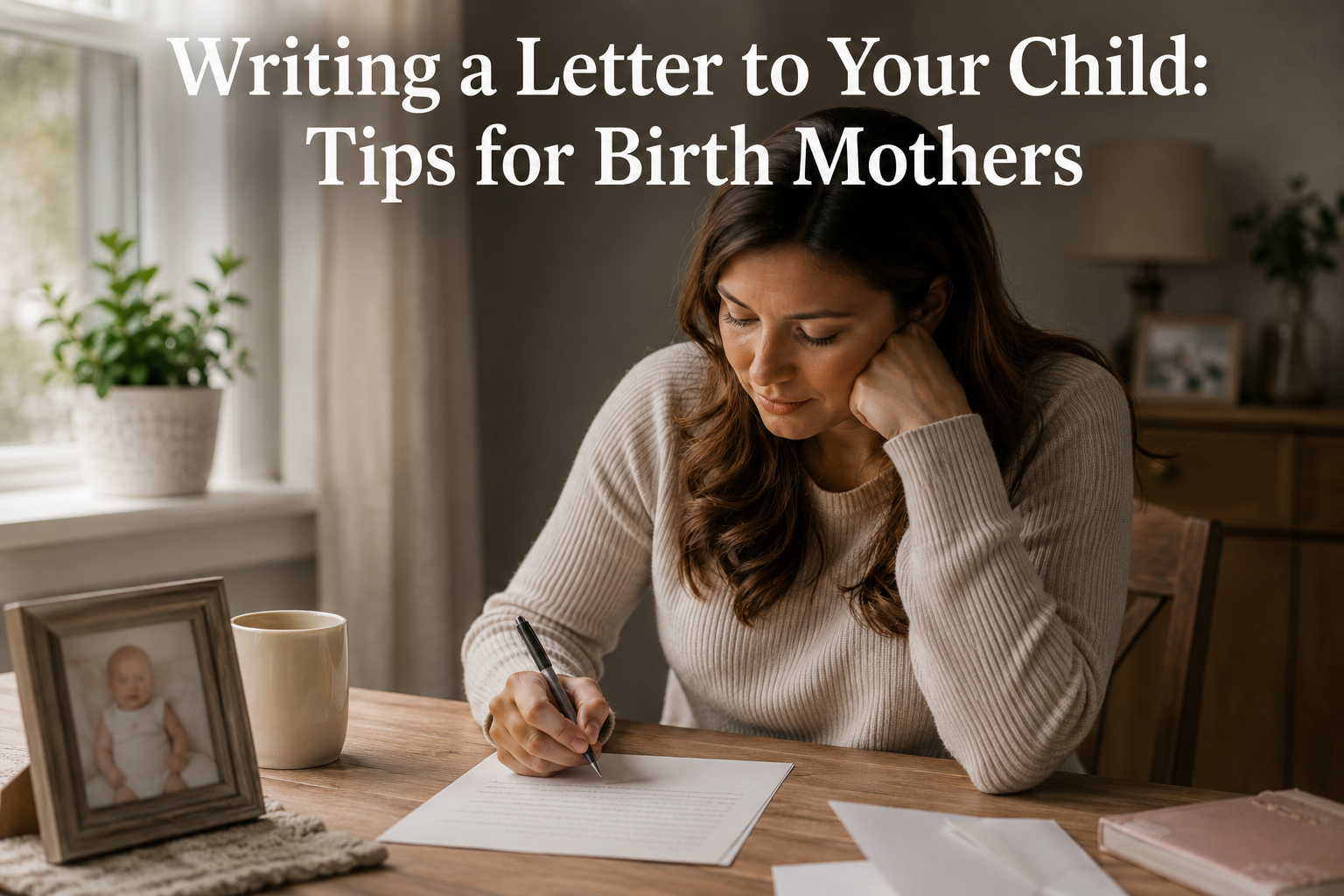
For many birth mothers, writing a letter to their child can be one of the most meaningful parts of the adoption journey. A letter provides an opportunity to share your thoughts, express your love, and leave a personal message that your child may treasure for years to come.
Whether you are writing during your pregnancy, shortly after placement, or years later, there is no perfect way to write a letter. The most important thing is that your words come from the heart. At Unexpected Blessings Adoption, we often remind birth mothers that honesty, love, and authenticity matter far more than perfect grammar or carefully chosen phrases.
Why Writing a Letter Can Be Meaningful
A letter can become a lasting gift that helps your child understand your love and your adoption story.
Creating a Lasting Connection
Letters allow you to preserve your thoughts and feelings in your own words. While memories may fade over time, a written letter can remain a permanent reminder of your love and care.
Your child may read your letter at different stages of life, finding new meaning in your words as they grow and mature.
Giving Your Child a Piece of Your Story
Many adopted children have questions about their beginnings and their birth family. A letter can provide valuable insight into who you are, what was important to you, and how you felt during the adoption journey.
Your words can help your child better understand their story and the thoughtful decisions that shaped their life.
Supporting Your Own Healing Journey
Writing can also be healing for birth mothers. Putting your thoughts on paper often helps process emotions that may be difficult to express aloud.
Many women find comfort in knowing they have shared their feelings and created something meaningful for their child.
Deciding When to Write the Letter
There is no right or wrong time to write a letter to your child.
Before Placement
Some birth mothers choose to write during pregnancy. This allows them to capture their thoughts, feelings, hopes, and dreams while they are experiencing them.
You may want to share what you felt when you learned about the pregnancy, what your hopes were for your child, and how you approached your adoption decision.
After Placement
Other birth mothers find it easier to write after placement, when they have had time to reflect on their experience and emotions.
Writing later can provide a different perspective and allow you to share what you have learned throughout your journey.
Remember There Is No Deadline
Some women write one letter. Others write several over the years.
You can write whenever you feel ready. You may even choose to create letters for important milestones such as birthdays, graduations, or other significant life events.
What to Include in Your Letter
Many birth mothers wonder what they should say. While every letter is unique, there are several topics you may want to consider.
Share Your Love
One of the most important messages many children hope to hear is that they are loved.
Your letter can reassure your child that they were cared for deeply and that your adoption decision came from a place of love and concern for their future.
Tell Them About Yourself
Your child may be curious about who you are as a person.
Consider sharing:
- Your favorite hobbies
- Your interests and passions
- Your personality traits
- Things that make you laugh
- Special memories from your life
These details can help your child feel connected to you and better understand where they come from.
Explain Your Adoption Decision
You may choose to explain why you made an adoption plan.
There is no need to include every detail. Instead, focus on helping your child understand that your decision was thoughtful and made with their best interests in mind.
Simple, honest explanations are often the most meaningful.
Share Your Hopes for Their Future
Many birth mothers enjoy sharing their dreams for their child’s future.
You might write about your hopes for their happiness, health, education, relationships, and personal success. Encouraging words can become a source of comfort and inspiration throughout their life.
Topics You May Want to Include
Every letter is different, but some additional topics can help create a more complete picture of your story.
Family History
Your child may appreciate learning about:
- Family traditions
- Cultural heritage
- Important relatives
- Meaningful family stories
- Values that are important to your family
This information can help them better understand their roots and identity.
Special Memories
You may want to share memories from your pregnancy or adoption journey.
These memories can provide valuable insight into your experiences and help your child understand the love and care that surrounded them from the beginning.
Personal Advice and Encouragement
Many birth mothers choose to include words of wisdom, encouragement, and support.
You might share lessons you have learned, values you hope they embrace, or reminders that they are worthy, capable, and loved.
What If You Do Not Know What to Say?
Many women worry that they will not know how to begin. Fortunately, your letter does not have to be long or complicated.
Start Simple
A simple greeting can be enough to get started.
Begin by telling your child why you wanted to write the letter and what they mean to you.
Often, the rest will come naturally.
Write as If You Are Having a Conversation
Imagine sitting across from your child and speaking directly to them.
Use your natural voice rather than trying to sound formal or perfect. Authenticity helps create a stronger connection.
Do Not Worry About Grammar or Perfection
Your child will not be evaluating your writing skills.
What matters most is the love, honesty, and sincerity behind your words.
A heartfelt letter will always mean more than a perfectly edited one.
Things to Avoid
While there are no strict rules, there are a few things that may be helpful to avoid.
Making Promises You Cannot Guarantee
Try to focus on what you know and feel today rather than making promises about the future that may be outside your control.
This can help prevent misunderstandings later on.
Speaking Negatively About Others
Whenever possible, keep the focus on your relationship with your child and the love you have for them.
Avoid discussing conflicts or criticizing other people involved in the adoption journey.
Putting Pressure on Your Child
Your letter should provide comfort and connection, not expectations.
Allow your child the freedom to process their own feelings and experiences in their own way.
Preserving and Sharing the Letter
Once your letter is written, you may want to think about how it will be preserved.
Keeping the Letter Safe
Consider creating both physical and digital copies to ensure your letter remains protected.
You may also choose to provide a copy to your adoption professional or keep it with other important adoption documents.
Writing Additional Letters Over Time
Many birth mothers find that one letter becomes the beginning of an ongoing tradition.
Additional letters can mark important milestones and provide opportunities to share updates, reflections, and encouragement as the years pass.
Every Letter Is a Gift
Many birth mothers worry about saying the wrong thing. The truth is that there is no perfect letter.
What your child is most likely to cherish is hearing directly from you. Your words, your experiences, and your love are what make the letter meaningful.
The goal is not perfection. The goal is connection.
Writing a letter to your child can be a beautiful way to share your love, preserve your story, and create a lasting connection. Whether your letter is a few paragraphs or several pages long, your words have the power to provide comfort, understanding, and reassurance for years to come.
At Unexpected Blessings, we understand that every adoption journey is unique. If you are considering adoption and would like support as you navigate the process, our team is here to provide guidance, resources, and compassionate care every step of the way.
Frequently Asked Questions About Writing a Letter to Your Child
Why should I write a letter to my child after choosing adoption?
A letter gives you an opportunity to share your love, your story, and your hopes for your child’s future. Many birth mothers find that a letter helps create a lasting connection and provides meaningful information their child may treasure for years to come.
When should I write a letter to my child?
There is no perfect time. Some birth mothers write during pregnancy, while others wait until after placement. You can write whenever you feel emotionally ready, and you may choose to write multiple letters throughout your child’s life.
What should I say in a letter to my child?
Many birth mothers include messages of love, personal information about themselves, family history, memories from pregnancy, and explanations about their adoption decision. The most important thing is to be honest and write from the heart.
How long should my letter be?
There is no required length. Some letters are several pages long, while others are only a few paragraphs. A short, heartfelt message can be just as meaningful as a longer letter.
Should I explain why I chose adoption?
Many birth mothers choose to explain their decision in an age-appropriate way. Sharing your reasons can help your child better understand your adoption journey and the love behind your decision. Focus on honesty, compassion, and your desire to make the best choice possible.
What if I do not know what to write?
Start with a simple greeting and tell your child why you wanted to write the letter. Imagine having a conversation with them and write naturally. You do not need perfect words to create a meaningful message.
Can I include family history in my letter?
Yes. Many adopted children appreciate learning about their biological family, cultural background, traditions, and ancestry. Including family history can help your child better understand their roots and identity.
Is it okay to write more than one letter?
Absolutely. Many birth mothers write letters over time, especially for important milestones such as birthdays, graduations, or other significant life events. Multiple letters can create an ongoing record of your thoughts, experiences, and love.
Should I keep a copy of the letter?
Many birth mothers choose to keep both physical and digital copies of their letters. Having a backup copy can provide peace of mind and help preserve an important part of your adoption story.
What should I avoid including in the letter?
It is generally best to avoid making promises you may not be able to keep, speaking negatively about others, or placing emotional expectations on your child. Focus instead on love, support, encouragement, and sharing your authentic story.
Will my child appreciate receiving a letter from me?
Every child is different, but many adopted individuals value having a personal letter from their birth mother. Your words can provide comfort, understanding, and insight into your love and adoption journey, making the letter a meaningful keepsake for years to come.
Can an adoption agency help me write my letter?
Yes. Adoption professionals can offer guidance, suggestions, and encouragement if you are unsure where to begin. At Unexpected Blessings Adoption, we are here to support birth mothers throughout every stage of the adoption journey, including creating meaningful letters for their children.